

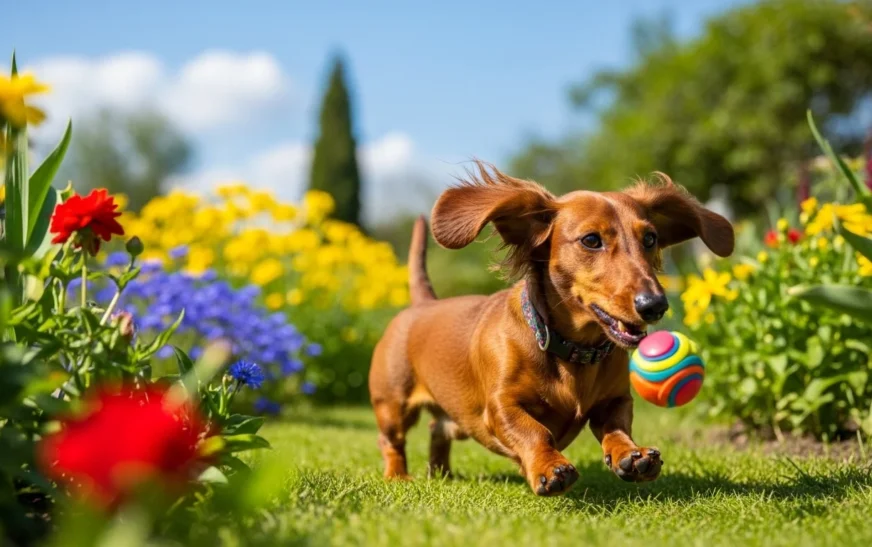
If you’re searching for the perfect small dog with a big personality, the Dachshund is hard to beat. These adorable dogs are among the most small dog breeds in the world, and it’s easy to see why. With their long bodies, short legs, and bold, confident attitude, Dachshunds bring a unique charm that instantly captures hearts.
But owning a Dachshund is not just about enjoying their cute looks. Their distinctive body shape and strong personality mean they need proper care, attention, and understanding. That’s exactly where this dachshund care guide comes in. Whether you’re bringing home a puppy or adopting an adult dog, learning how to care for a dachshund the right way will make all the difference in their health and happiness.
This guide is specially designed for:
- First-time dog owners who need clear and simple guidance
- Apartment dwellers looking for a small but active companion
- Families who want a loyal and loving pet
In this dachshund care for first time owners guide, you’ll learn everything you need to raise a happy and healthy dog. From a complete dachshund puppy care guide to daily routines, feeding tips, and grooming basics, you’ll have it all covered.
We’ll also walk you through essential topics like training, nutrition, and important health concerns such as Intervertebral Disc Disease prevention. By the end of this guide, you’ll feel confident and fully prepared to give your Dachshund the best life possible.
Understanding the Dachshund Breed
Before you learn how to follow a proper dachshund care guide, it’s important to understand the breed’s background, physical traits, and personality. This knowledge will help you make better decisions and apply the right dachshund care tips in your daily routine.
History & Origin
The Dachshund comes from Germany, where it was originally bred for hunting. These dogs were specially designed to chase badgers into tunnels, which required bravery, determination, and a unique body shape.
The name “Dachshund” translates to:
- “Dachs” = Badger
- “Hund” = Dog
This history explains why Dachshunds are fearless, curious, and sometimes stubborn even today.
Types of Dachshunds
Dachshunds come in two main sizes. While their personalities are similar, their size can affect feeding, exercise, and space requirements.
| Feature | Standard Dachshund | Miniature Dachshund |
| Weight | 16–32 pounds | Under 11 pounds |
| Size | Medium-small | Small |
| Living Space | Needs more room | Ideal for apartments |
| Exercise Needs | Moderate | Slightly lower |
Both types follow similar routines, so whether you’re reading a mini dachshund care guide or a miniature dachshund care guide, the core care principles remain the same.
Coat Types
Dachshunds also come in three coat varieties. Each one requires a slightly different grooming approach, which is an important part of dachshund grooming and care.
| Coat Type | Appearance | Maintenance Level | Grooming Needs |
| Smooth-haired | Short, shiny coat | Low | Weekly brushing |
| Long-haired | Soft, flowing coat | Medium–High | Frequent brushing |
| Wire-haired | Rough, thick coat | Medium | Trimming + hand-stripping |
Choosing the right grooming routine based on coat type is essential for maintaining your dog’s hygiene and comfort.
Dachshund Temperament and Behavior
Understanding dachshund temperament and behavior is one of the most important parts of this dachshund care guide.
Here’s a quick overview:
| Trait | Description |
| Loyalty | Strong bond with owners, very affectionate |
| Intelligence | Quick learners but independent thinkers |
| Stubbornness | May resist commands without proper training |
| Prey Drive | Likely to chase small animals |
| Barking | Alert and vocal, good watchdogs |
Dachshunds are loving companions, but they also have a bold and independent personality. Their stubborn nature means training requires patience and consistency.
Their barking tendency and strong prey drive are natural instincts, not bad behavior, but they must be managed early through proper training.
Dachshund Puppy Care Guide
A proper dachshund puppy care guide helps you raise a healthy, active, and well-behaved puppy from the start. Dachshunds are small in size but full of energy and personality, so they need consistent care, attention, and the right environment at home. If you’re wondering how to take care of a dachshund puppy at home, the key is to focus on training, nutrition, health, and safety all together.

Dachshund Puppy Training Basics
Training should begin as early as possible. Dachshund puppies are intelligent but can be a bit stubborn, so early training builds good habits before bad ones develop. Start with simple commands like sit, stay, and come.
Use positive reinforcement such as treats, praise, or toys to reward good behavior. Harsh training methods can make your puppy anxious, so always keep training calm and encouraging.
Routine is very important. Feed, walk, and train your puppy at the same times every day. This helps them understand expectations and reduces accidents inside the house. Consistency will make training much easier and faster.
Puppy Feeding Guide
Proper nutrition plays a big role in your puppy’s growth and energy levels. Dachshund puppies need high-quality food that supports bone development, as their long backs require extra care.
Feeding Schedule:
- 8–12 weeks: Feed 4 small meals per day
- 3–6 months: Reduce to 3 meals per day
- 6+ months: Shift to 2 meals per day
Make sure the food includes proteins, healthy fats, vitamins, and minerals. Avoid overfeeding because dachshunds can easily gain weight, which puts pressure on their spine.
Portion control is essential. Always follow feeding guidelines based on your puppy’s weight and age, and avoid giving too many treats.
Dachshund Vaccination Schedule
Vaccinations protect your puppy from serious diseases. Core vaccines usually include protection against parvovirus, distemper, and rabies.
Typical Timeline:
- 6–8 weeks: First round of vaccines
- 10–12 weeks: Second round
- 14–16 weeks: Final puppy vaccines
- Annual boosters: Maintain immunity
Booster shots are very important because they keep your puppy protected as they grow. Regular vet visits ensure your dachshund stays healthy and safe.
Dachshund Puppy Essentials Checklist
Having the right items at home makes caring for your puppy much easier. A complete dachshund puppy essentials checklist includes everything your puppy needs for comfort and daily life.
- Crate for training and sleeping
- Comfortable bed for rest
- Toys for mental stimulation and chewing
- Food and water bowls
These basic items help your puppy feel secure and reduce stress in a new environment.
Creating a Safe Home Environment
Keeping your home safe is a key part of any dachshund puppy care guide. Start by puppy-proofing your house. Remove small objects, cover wires, and keep harmful items out of reach.
Avoid stairs and jumping from furniture, as dachshunds are prone to back injuries due to their body shape. Use ramps if needed to protect their spine.
Create safe play zones where your puppy can move freely without risk. This helps them stay active while staying protected.
By following these steps, you’ll understand exactly how to take care of a dachshund puppy at home and give your pet a happy and healthy start.
Health & IVDD Prevention

Keeping your dog healthy is an important part of responsible ownership, especially when it comes to breeds with specific physical risks. This section covers essential dachshund health care tips, with a strong focus on preventing spinal issues. If you want to understand how to prevent back problems in dachshunds, you need to pay close attention to their daily care, weight, and movement.
Common Dachshund Health Problems
Dachshunds are generally healthy dogs, but they are more likely to face certain health issues compared to other breeds. The most serious condition is Intervertebral Disc Disease (IVDD), which affects the spine and can lead to pain, nerve damage, or even paralysis in severe cases.
Obesity is another common issue. Because dachshunds have a long body and short legs, extra weight puts added pressure on their spine, increasing the risk of injury.
Dental problems are also common. Small dog breeds like dachshunds can develop plaque and gum disease if their teeth are not cleaned regularly. Poor dental health can lead to discomfort and other health complications over time.
Why Dachshunds Are Prone to Back Problems
Understanding their body structure helps explain why they need special care. Dachshunds have a long spine and short rib cage, which makes their back more vulnerable to stress and injury. This unique shape puts more pressure on the spinal discs, especially during jumping, running on stairs, or rough play.
Because of this, even small movements like jumping off a couch can lead to serious back problems. That is why following proper dachshund back care tips is necessary from an early age.
IVDD Prevention Tips
Preventing IVDD starts with simple daily habits. Using ramps instead of stairs or furniture jumping can greatly reduce strain on your dog’s back. Place ramps near beds, sofas, or any elevated surface your dog uses.
Avoid letting your dachshund jump from heights. Even if they seem active and playful, repeated jumping can damage their spine over time.
Proper lifting is also important. Always support both the chest and the lower body when picking up your dog. Never lift them by their front legs only, as this can put pressure on the spine.
Weight Control for Dachshunds
Maintaining a healthy weight is one of the most effective ways to protect your dog’s back. Extra weight increases stress on the spine and raises the risk of IVDD.
Follow portion control carefully and avoid overfeeding. Stick to a balanced diet based on your dog’s age and size.
Regular exercise is also necessary. Daily walks and light play help keep your dachshund active without putting too much pressure on their body. Avoid intense activities that involve jumping or rough movement.
Preventative Healthcare Routine
A good healthcare routine supports long-term wellness. Regular vet visits help detect early signs of health issues, including spinal problems.
Keep your dog’s vaccinations up to date to protect against diseases. Parasite control is also important, including protection from fleas, ticks, and worms.
By following these dachshund health care tips and focusing on prevention, you can reduce risks and better understand how to prevent back problems in dachshunds, helping your pet live a longer and more comfortable life.
Feeding & Nutrition Guide
A balanced diet is essential for keeping your dog active, healthy, and at the right weight. When choosing the best food for dachshunds, you need to consider their age, size, and activity level. If you are thinking about what is the best diet for dachshunds, the answer is simple: high-quality food with the right balance of protein, fats, and nutrients.
Best Food for Dachshunds
Dachshund puppies and adult dogs have different nutritional needs. Puppies require food that supports growth and development, including higher protein and calorie content. Adult dachshunds need a more controlled diet to maintain weight and avoid obesity.
Protein is especially important for this breed. It helps build strong muscles and supports overall health. Look for dog food that lists real meat like chicken, beef, or fish as the main ingredient. Avoid low-quality fillers that do not provide proper nutrition.
Dachshund Diet Plan
A proper dachshund diet plan focuses on portion control and balanced meals. Since dachshunds can gain weight quickly, it is important to measure their food instead of guessing.
Portion sizes depend on your dog’s weight and age, but in general, small and controlled portions work best. Overfeeding can lead to serious health problems, especially back issues.
Meal timing also matters. Feeding your dog at the same time every day helps maintain digestion and energy levels.
Feeding Routine
A fixed feeding schedule is one of the most effective ways to manage your dog’s health. Give meals at consistent times, usually twice a day for adult dachshunds.
Avoid free feeding (leaving food out all day), as it often leads to overeating. A structured routine helps your dog develop better eating habits and makes it easier to track their food intake.
Foods to Avoid
Some foods are harmful and should never be included in your dog’s diet. Common toxic foods include chocolate, grapes, raisins, onions, garlic, and foods with high salt or sugar content.
Avoid giving human food regularly, as it can upset their digestion and lead to weight gain. Sticking to a proper diet ensures your dog stays healthy and active.
By following a balanced plan and understanding what is the best diet for dachshunds, you can provide the best food for dachshunds and support their long-term health.
Grooming & Hygiene

Proper dachshund grooming and care is important to keep your dog clean, comfortable, and free from common skin or hygiene issues. If you are learning how to groom a dachshund, the process is simple when you follow a routine based on their coat type and overall needs.
Coat Types Care
Dachshunds come in three coat types, and each one needs a slightly different approach.
Smooth-coated dachshunds are the easiest to maintain. Their short hair requires minimal grooming, making short haired dachshund care simple and quick. Occasional brushing is enough to remove loose hair and keep their coat shiny.
Long-haired dachshunds need more attention. Their soft, flowing coat can tangle easily, so regular brushing is important. Proper long haired dachshund care helps prevent knots and keeps their coat smooth and clean.
Wire-haired dachshunds have a rough coat that may require brushing and occasional trimming. Their coat is thicker, so it’s important to remove dirt and dead hair regularly.
Brushing Techniques
Brushing is a key part of dachshund grooming and care. It helps remove loose fur, improves blood circulation, and keeps the coat healthy.
Use the right tools such as a soft-bristle brush for smooth coats, a slicker brush for long-haired dogs, and a firm brush for wire-haired coats.
Frequency depends on the coat type. Smooth-coated dachshunds can be brushed once a week, while long-haired and wire-haired dogs should be brushed 3–4 times a week to avoid tangles.
Bathing Frequency
Bathing your dachshund every 4–6 weeks is usually enough to keep them clean. Over-bathing can remove natural oils from their skin, leading to dryness and irritation.
Use a mild dog shampoo and make sure to rinse properly. Always dry your dog completely after a bath to prevent skin problems.
Nail, Ear & Dental Care
Nail trimming is important to prevent discomfort while walking. Trim your dog’s nails every few weeks, or when you hear them clicking on the floor.
Ear cleaning helps avoid infections. Check your dog’s ears regularly and clean them gently using a vet-approved solution.
Teeth brushing is often overlooked but very important. Brush your dachshund’s teeth a few times a week to prevent plaque buildup and gum disease.
By following these simple steps, you’ll understand how to groom a dachshund properly and maintain complete dachshund grooming and care for a healthy and happy pet.
Exercise & Daily Care Needs
Understanding your dog’s activity level is an important part of managing dachshund daily care needs. These dogs may be small, but they are active and require regular movement to stay healthy. A consistent dachshund dog care routine should always include exercise, safe play, and mental stimulation.
Dachshund Exercise Needs
Dachshunds need daily walks to maintain a healthy weight and support their overall well-being. A walk of 20–30 minutes each day is usually enough to keep them active without putting stress on their body.
Regular walking also helps improve digestion, reduce boredom, and prevent unwanted behaviors like excessive barking or chewing.
Safe Activities
While dachshunds enjoy playing, it’s important to choose safe activities. Avoid jumping from furniture or running up and down stairs, as this can harm their back.
Low-impact play is the best option. Gentle games like walking, light fetch on flat ground, or controlled indoor play keep them active without risk. Always monitor their movement to prevent sudden injuries.
Mental Stimulation
Mental activity is just as important as physical exercise. Puzzle toys are a great way to keep your dog engaged and mentally sharp. They help reduce boredom and provide a healthy challenge.
Training games also support learning and strengthen your bond with your dog. Simple commands and interactive play can make a big difference in their behavior.
By including these habits in your dachshund dog care routine, you can meet all dachshund daily care needs and keep your pet happy, active, and well-balanced.
Training Your Dachshund
Training is a key part of raising a well-behaved and confident dog. Dachshunds are smart but can be stubborn, so patience and consistency are important. With the right dachshund training tips, you can teach good habits early and avoid common behavior problems later.
Potty Training Dachshund
Potty training should start as soon as you bring your puppy home. One of the most effective methods is crate training dachshund puppies. A crate helps your dog learn control, as they naturally avoid soiling their sleeping space.
Set a clear schedule for bathroom breaks. Take your puppy outside first thing in the morning, after meals, after playtime, and before bedtime. Consistency helps them understand when and where to go.
Always reward your puppy when they go to the right place. Positive reinforcement builds strong habits and speeds up the training process.
Leash Training
Leash training is important for safe walks and better control. Using a harness instead of a collar is recommended for dachshunds, as it reduces pressure on their neck and back.
Start by letting your dog get used to wearing the harness indoors. Then begin short walks and teach loose leash walking. Avoid pulling or dragging your dog, and instead encourage them to walk beside you with treats and praise.
Regular practice helps your dog stay calm and controlled during walks.
Behavior Correction
Dachshunds may develop unwanted behaviors if not trained properly. Barking is common, especially when they feel bored or alert. Teach them when to be quiet by using commands and rewarding calm behavior.
Digging is another natural habit. Provide toys and activities to keep them engaged and reduce boredom.
Separation anxiety can also occur if your dog is left alone for long periods. Gradually increase alone time and create a comfortable space where your dog feels safe.
Consistency and patience are key when correcting behavior. Avoid punishment and focus on positive training methods.
Obedience Training
Basic obedience training helps your dog follow commands and behave well in different situations. Start with simple commands like sit, stay, come, and down.
Use short training sessions and repeat commands regularly. Reward your dog for correct responses to build trust and understanding.
Obedience training not only improves behavior but also strengthens your bond with your pet.
Socialization
Socialization is an important part of training. Introduce your dachshund to different people, pets, and environments at an early age.
This helps reduce fear and aggression while making your dog more confident. Take them to safe places, allow controlled interactions, and expose them to new sounds and surroundings.
By following these dachshund training tips and focusing on crate training dachshund methods, you can build a strong foundation for a well-trained, happy, and social dog.
Living with a Dachshund
Dachshunds adapt well to indoor living when their needs are properly managed. A simple dachshund indoor care guide can help you create a comfortable and balanced lifestyle for your dog, even in small spaces. If you are looking for a dachshund care guide for apartment living, the focus should be on routine, training, and supervision.
Apartment Living
Dachshunds are suitable for apartments because of their small size and moderate exercise needs. They do not require large spaces, but they do need daily walks and playtime to stay active. As long as their physical and mental needs are met, they can live comfortably in apartments.
Living with Kids & Pets
Dachshunds can live with children and other pets, but supervision is important. Teach kids how to handle the dog gently, especially because of their sensitive back.
When introducing other pets, do it slowly and in a controlled environment. This helps avoid stress and builds a positive relationship.
Managing Barking
Barking is common in dachshunds, especially when they hear unfamiliar sounds. Training can help control this behavior. Teach commands like “quiet” and reward your dog when they stop barking.
Keeping your dog mentally and physically active also reduces unnecessary barking caused by boredom.
Creating a Routine
A consistent daily routine is important for your dog’s comfort and behavior. Set fixed times for feeding, walking, play, and rest.
A well-planned routine helps your dog feel secure and makes daily care easier. By following a structured dachshund indoor care guide, you can ensure a peaceful and happy environment in any home.
Traveling with Your Dachshund

Traveling with your dog can be enjoyable if you plan properly and focus on safety and comfort. Since dachshunds have a sensitive back, extra care is needed during trips to avoid injury and stress.
Car Safety
Always prioritize safety when traveling in a car. Use a secure crate or a well-fitted harness to keep your dachshund stable during the journey. A crate is often the safest option because it limits movement and protects your dog from sudden stops or sharp turns. Never allow your dachshund to move freely in the car, as this can be dangerous.
Travel Essentials Checklist
Pack all necessary items before leaving. A simple checklist includes your dog’s food, fresh water, collapsible bowls, favorite toys, and waste bags. Having these essentials ensures your dog stays comfortable and well-fed throughout the trip.
Keeping Them Calm
Dachshunds can feel anxious in new environments, so keeping them calm is important. Bring familiar items such as their blanket, bed, or favorite toy. These items carry familiar scents that help reduce stress and make your dog feel safe.
With proper preparation, traveling becomes a smooth experience and keeps your dachshund relaxed and secure throughout the journey.
Cost of Owning a Dachshund
Owning a dachshund comes with both initial and ongoing expenses, so it’s important to plan your budget in advance. Understanding these costs helps you provide proper care without financial stress.
Initial Costs
The first cost depends on whether you adopt or buy from a breeder. Adoption is usually more affordable, while reputable breeders may charge higher prices depending on lineage and health checks.
You will also need to buy essential supplies such as a crate, bed, food bowls, toys, leash, and grooming tools. These initial items ensure your puppy has everything needed for a safe and comfortable start at home.
Ongoing Costs
Regular expenses include food, which should be high-quality to support your dachshund’s health and energy needs. Vet care is another important cost, including routine checkups, vaccinations, and emergency visits if needed.
Grooming costs may vary depending on coat type, especially for long-haired or wire-haired dachshunds who may need more frequent maintenance.
By planning for these ongoing needs, you can ensure your dachshund stays healthy, happy, and well cared for throughout its life.
Pros and Cons of Owning a Dachshund
Owning a dachshund can be a rewarding experience, but like any breed, they come with both advantages and challenges. Understanding these helps you decide if they are the right fit for your home.
Pros
Dachshunds are very loyal dogs and form strong bonds with their owners. They enjoy being close to their family and often become loving companions. Their small size also makes them suitable for apartments and smaller living spaces. Despite their size, they have a big personality and provide constant entertainment and companionship.
Cons
One of the main concerns is their tendency toward back problems due to their long spine. This requires careful handling and preventive care throughout their life. Dachshunds can also be stubborn, which may make training a bit challenging, especially for first-time dog owners.
Another common issue is excessive barking. They tend to be alert and vocal, which can become a problem if not managed with proper training.
Overall, while dachshunds require patience and care, they make affectionate and loyal pets for those willing to understand their needs.
Beginner Tips for First-Time Owners
If you are a new owner, following the right approach from the beginning can make a big difference in your dog’s health and behavior. These beginner tips for first time dachshund owners help you build a strong foundation for long-term care.
Always protect their back by avoiding stairs and jumping from furniture. Dachshunds are prone to spinal issues, so prevention is very important. Using ramps instead of allowing jumps is one of the best habits you can develop early.
Maintaining a healthy weight is also essential. Overweight dachshunds face higher risks of back problems, so proper portion control and regular exercise are necessary.
Be consistent with training, feeding, and daily routines. Dachshunds respond better when they understand structure and expectations. Patience is also important, especially during training.
Avoid common dachshund care mistakes to avoid, such as overfeeding, ignoring exercise needs, or allowing unsafe jumping habits.
Conclusion
Dachshunds are loving, loyal, and intelligent companions, but they require responsible care. From proper feeding and training to protecting their spine and maintaining a healthy weight, every detail matters in their well-being. Consistency, patience, and preventive care are the foundation of a healthy life for this breed.
By following the right care routine, you can enjoy a strong bond with your dachshund while ensuring they stay safe, active, and happy for years to come.





1 Comment
[…] are different methods for how to potty train a dachshund dog, and choosing the right one depends on your […]